Navigation Patterns in Roulette Applications Uncover Retention Connections to Offer Delivery Timing and Design Signals
Sam Perry · Oct 12, 2026
Navigation Patterns in Roulette Applications Uncover Retention Connections to Offer Delivery Timing and Design Signals
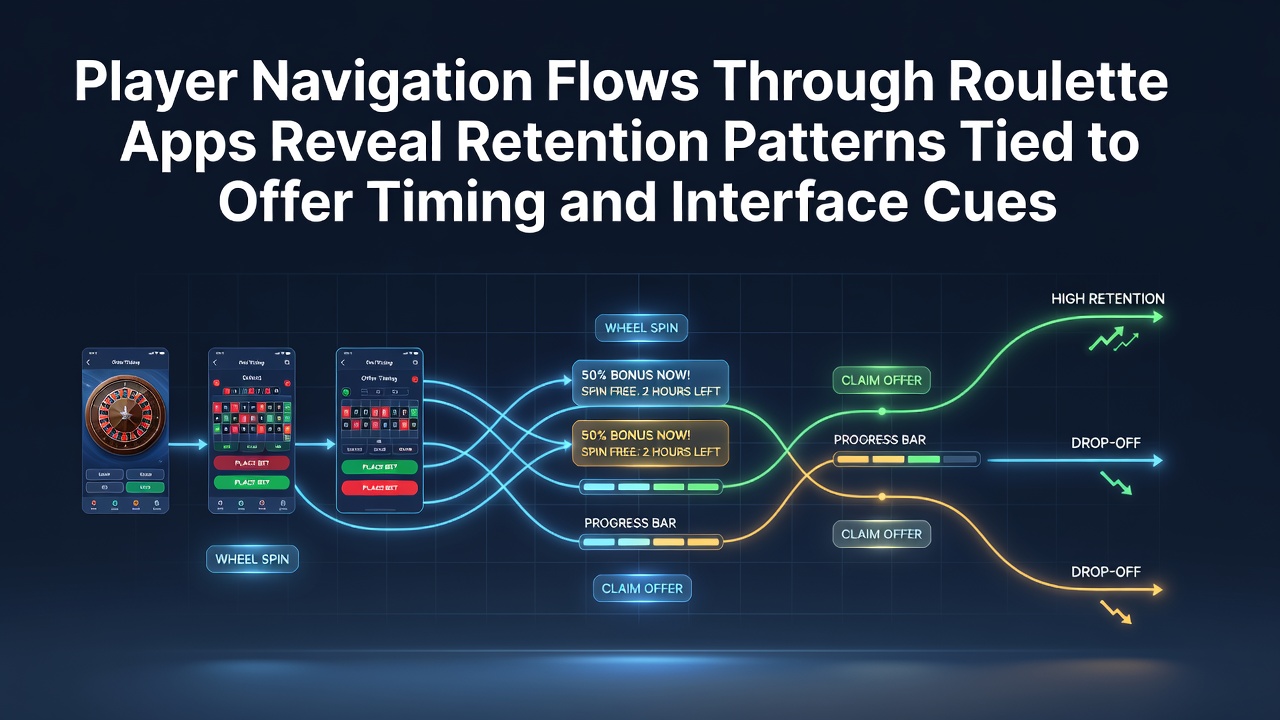
Analytics platforms tracking mobile roulette sessions in 2026 have documented how user movement through app screens correlates with longer play periods when promotional messages arrive at specific intervals. Researchers compiling data from multiple operators noted that sessions extending beyond 25 minutes often featured targeted banners appearing after the third spin sequence rather than at launch, while early pop-ups aligned with higher exit rates within the first five minutes.
Tracking User Paths Through Core Screens
Heatmap studies conducted across Android and iOS roulette titles show players frequently pause on the lobby-to-table transition screen when interface cues include subtle color shifts in the spin button area, and these pauses precede deeper engagement with live dealer options. Data collected through October 2026 indicates that apps incorporating progressive loading animations during this transition retain 18 percent more users into the second hour compared with static load screens, according to figures released by the iGaming Ontario compliance reports.
Navigation logs further reveal that users who access the account menu before placing their initial wager demonstrate higher return rates the following day, especially when an offer notification triggers immediately after the balance check completes. This sequence appears in retention datasets from several European operators, where the timing of the message coincides with the moment a player views their current loyalty tier status.
Offer Timing and Session Duration Metrics
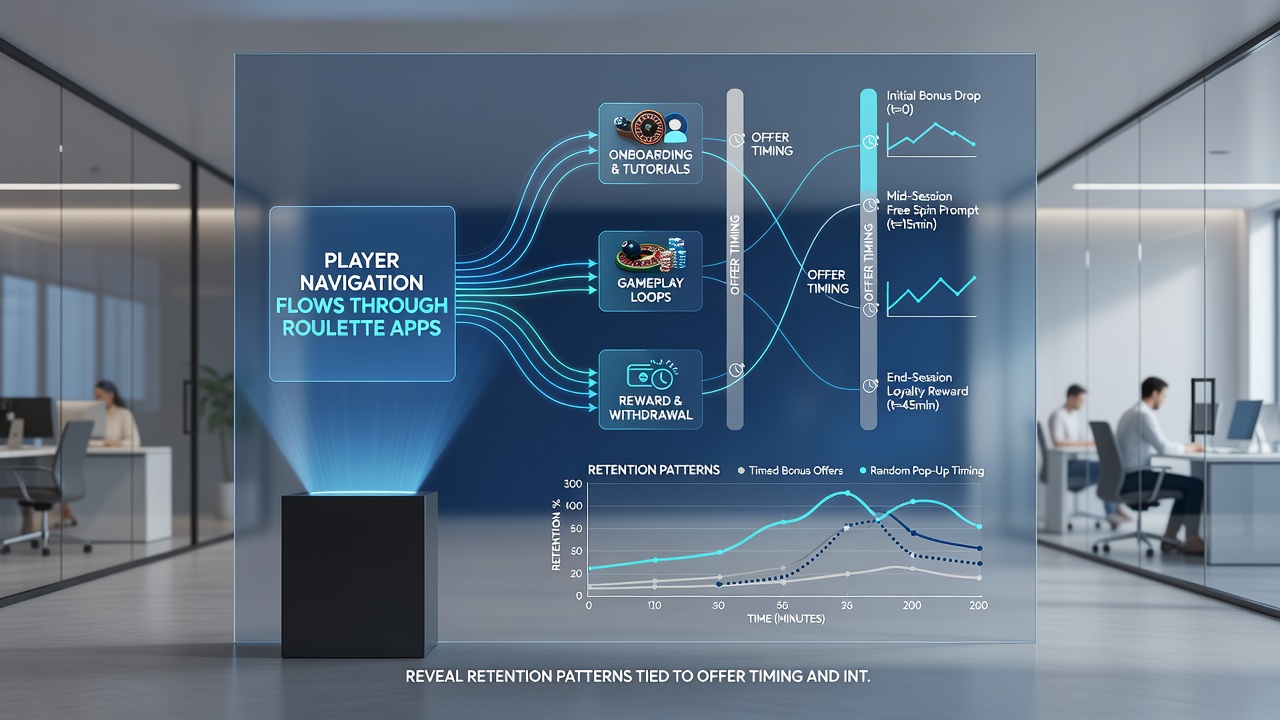
Records from platform dashboards illustrate that offers delivered between the eighth and twelfth spin produce the strongest continuation signals, measured by the percentage of players who remain active after the promotion banner closes. When these messages reference accumulated spin counts or recent table selections, completion rates for follow-up wagers rise noticeably. Industry analyses covering the first nine months of 2026 found that delaying similar notifications until after 20 spins reduced their impact on same-day retention by roughly one third.
One dataset compiled by academic teams at the University of Nevada, Las Vegas gaming research division highlighted how push notifications scheduled during natural breaks in play, such as between auto-spin cycles, correlate with elevated next-day logins. The same research noted that offers appearing during active betting sequences showed weaker associations with extended session lengths.
Interface Cues Influencing Flow and Return Behavior
Design elements such as pulsing chip selectors and contextual tooltips positioned near the betting grid have been linked to smoother navigation between game modes. Applications that introduce these cues after the player completes a minimum number of rounds record fewer instances of rapid back-button usage. Observers examining October 2026 telemetry from North American markets reported that apps using animated balance updates during win sequences maintained higher page-view counts on subsequent visits.
Menu structures that collapse advanced settings behind a single tap also appear in datasets showing stronger cross-session retention, particularly when paired with offer prompts that reference the player's most recent table choice. These patterns hold across both free-play and real-money environments tracked by regulatory monitoring programs in multiple jurisdictions.
Cross-Platform Comparisons and Emerging Trends
Comparative reviews between tablet and smartphone versions of the same roulette titles indicate that larger screen layouts allow for persistent offer panels without interrupting core navigation flows, resulting in different retention curves than those observed on smaller displays. Reports from the Australian Gambling Research Centre covering similar digital wheel products noted parallel timing effects, where mid-session prompts outperformed launch-time incentives in maintaining weekly active user counts.
Platform updates rolled out in late 2026 incorporated dynamic cue adjustments based on real-time path analysis, allowing operators to shift offer windows according to individual navigation speed. Early results from these modifications show measurable lifts in 48-hour return metrics across tested user cohorts.
Conclusion
Patterns emerging from navigation and retention datasets continue to inform how operators structure both promotional delivery and visual guidance within roulette applications. Ongoing monitoring through the final quarter of 2026 will likely refine these timing and cue relationships further as additional telemetry accumulates from expanding mobile markets.